Knowledge Path · 5 books
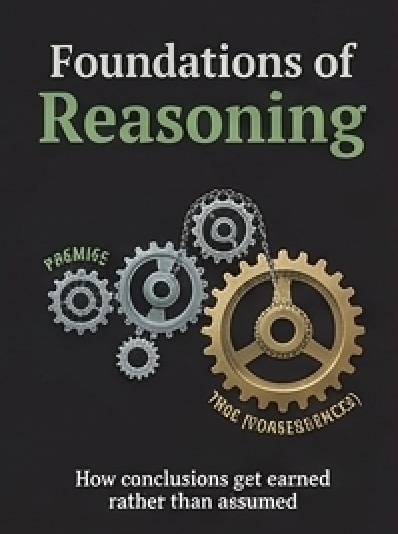
Foundations of Reasoning
Aristotle's syllogism, Bacon's attack on it, Locke's degrees of assent, Mill's inductive machinery, and James moving the target to what a belief does. Where this leaves you: whether "justified" is a property a belief has, or a bet that hasn't gone wrong yet.
What you'll understandHow do I tell an earned conclusion from an assumed one?
Discover
Free previewPrior Analytics
Aristotle's Prior Analytics: a conclusion is earned when it follows from its premises by form alone. Question: What can a valid syllogism tell you that you didn't already have?
Understand
Novum Organum
Bacon: the syllogism rearranges what you already believe; it never reaches out and finds anything. Question: Which of Bacon's "idols" does rung 1 exemplify?
Included with a free account
Connect
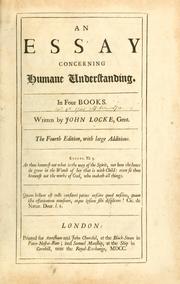
Essay concerning human understanding
Locke's Essay Book IV: almost nothing you believe is either demonstrated or freshly discovered — most is probable, and the skill is grading it. Question: Where would Locke put Bacon's own conclusions on his scale of assent?
Included with a free account
Go Deeper
A System of Logic, Ratiocinative and Inductive
Mill builds the machinery by which a generalization gets earned from particulars. Question: Do Mill's methods answer Locke's problem or just organize it?
Included with a free account
Complete the Path
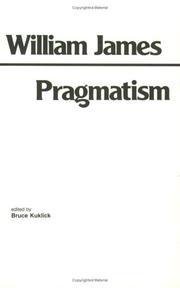
Pragmatism
James moves the target: stop asking whether a belief is grounded and ask what difference it makes if you act on it. Question: Which of the first four does James's test actually rule out?
Included with a free account