Knowledge Path · 5 books
Is History Going Anywhere?
An American says 1914 ended the question, a Cambridge historian says the question was invented in the seventeenth century, a frontier historian says it was a matter of open land, a popularizer tells it to children as a straight line, and a Victorian says it's real and paid for in bodies. Where this leaves you: whether "does history have a direction" is a question about evidence or about what you're willing to count as payment.
What you'll understandDoes human history have a direction?
Discover
Free previewThe Pentecost of Calamity
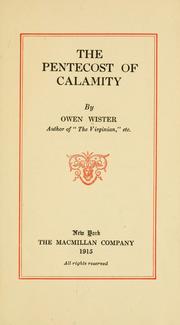
Wister, writing in 1915, watches the most cultured nation in Europe behave like this — cheapest entry, stakes before theory. Question: What exactly does Wister think has been disproved?
Understand
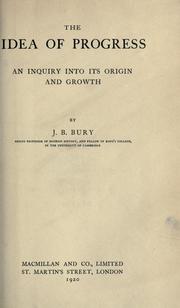
The idea of progress
Bury historicizes progress itself: not a fact about the world but a belief with a datable origin. Reframes rung 1 as a crisis of faith rather than of evidence. Question: If progress is an idea with a birthday, does that make it false?
Included with AudioShelf Plus
Connect
The significance of the frontier in American history
Turner gives a mechanism rather than a faith: American development explained by a receding line of free land that closed in 1890. (Recording is the 1920 collection, not the 1893 essay alone.) Question: Is Turner describing progress or describing an accident of geography?
Included with AudioShelf Plus
Go Deeper
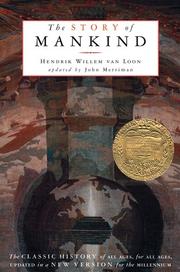
The story of mankind
Van Loon's 1921 popularization for children tells the whole human record as one ascending line — watch a confident narrative do exactly what Bury said narratives do. Question: Where does van Loon have to skip something to keep the line straight?
Included with AudioShelf Plus
Complete the Path
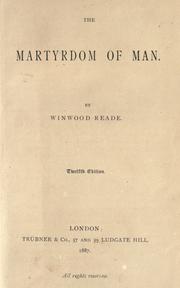
The martyrdom of man
Reade agrees progress is real and refuses consolation: every advance was bought with suffering that was not compensated. Question: Does Reade's accounting make the other four rungs beside the point?
Included with AudioShelf Plus