Knowledge Path · 5 books
What War Does to the People Who Fight It
A soldier-poet says it destroys them, an analyst says it strips off a lie they were already living, a poet laureate makes a defeat into a saga, a young officer makes a slaughter into an achievement, and a novelist says the enemy was the army itself. Where this leaves you: whether an honest account of a war is possible from inside the institution that fought it.
What you'll understandWhat happens to a person inside a war?
Discover
Free previewThe War Poems
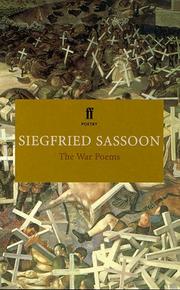
Sixty-four short poems by a decorated officer who threw his medal in the Mersey — cheapest entry, sets the stakes fast. Question: Who is Sassoon actually angry at?
Understand
Reflections on war and death
Freud's claim complicates Sassoon: war didn't corrupt civilized people, it revealed that civilization was a thin performance. Question: Does Freud's argument make Sassoon's anger coherent or pointless?
Included with AudioShelf Plus
Connect
Gallipoli
Masefield was commissioned to explain a catastrophic failure and wrote it as epic — meaning-making in real time. Question: What does Masefield have to leave out to make this a saga?
Included with AudioShelf Plus
Go Deeper
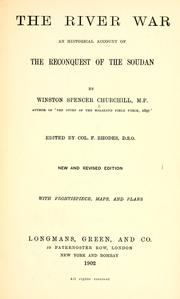
The River War: An Account of the Reconquest of the Sudan
A 24-year-old officer's Sudan campaign as engineering triumph — the position Sassoon spent his life attacking. Question: Where does Churchill's own evidence contradict his framing?
Included with AudioShelf Plus
Complete the Path
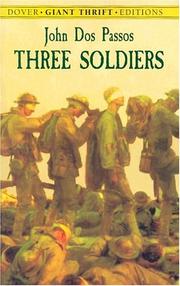
Three soldiers
Dos Passos relocates the enemy: not the Germans, the army — three men ground down by their own institution. Question: If the institution is the antagonist, what does Freud's argument still explain?
Included with AudioShelf Plus