Knowledge Path · 5 books
When People End Up Poor
An aesthete says property deforms the person who owns it, a lawyer says concentrated finance rigs the game, a journalist says the destitution is manufactured, a naturalist says we mis-described human nature, and an evolutionist says helping is the harm. Where this leaves you: whether poverty is a fact about institutions, about human nature, or about neither.
What you'll understandWhen someone ends up destitute, what has gone wrong?
Discover
Free previewThe Soul of Man Under Socialism
Wilde argues property is bad mainly for the owner: it eats the time in which a person could become someone. Question: What is Wilde's actual complaint about charity?
Understand
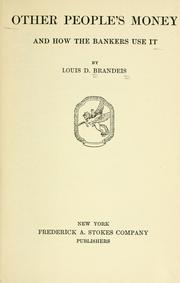
Other people's money
Brandeis keeps capitalism and indicts its plumbing: interlocking directorates, bankers deploying deposits they don't own. Question: Would Brandeis's reforms touch anything Wilde cares about?
Included with AudioShelf Plus
Connect
The People of the Abyss
London lives in the East End and reports — ground truth both prior arguments claim to be about. Question: Which of Wilde's or Brandeis's claims does London's evidence actually support?
Included with AudioShelf Plus
Go Deeper
Mutual Aid
Kropotkin attacks the premise underneath all three: cooperation, not competition, is the observed evolutionary pattern. Question: What evidence would falsify Kropotkin?
Included with AudioShelf Plus
Complete the Path
Social statics, or, The conditions essential to human happiness specified, and the first of them developed
Spencer answers with "nothing went wrong" — suffering discharges unfitness, and interference prolongs it. Question: Where does Spencer's argument depend on a factual claim Kropotkin disputes?
Included with AudioShelf Plus